Helping Kids Make Healthy Food Choices Without Pressure
Published December 4, 2023 | Last Updated September 14, 2026
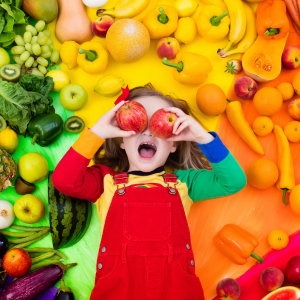
Parents can help kids learn about nutrition without adding pressure or tying food choices to appearance. The key is framing food around what it does for the body—energy, growth, concentration, overall health—while still leaving room for kids to enjoy eating and notice how different foods make them feel. Over time, that approach builds habits they'll carry into adulthood.
Healthy Eating Is About Patterns, Not One Choice
Different foods provide different nutrients, and teaching your child about those differences is useful. Fruits and vegetables provide vitamins, minerals, and fiber. Protein supports growth and repair. Carbohydrates provide energy. Fats also play important roles in growth and health.
But your child’s overall eating pattern matters much more than any single snack, dessert, or hectic dinner.
The USDA’s healthy eating guidance for families encourages parents to offer a variety of foods, involve kids in preparing meals, and give them opportunities to make choices. That creates a useful balance: you provide structure and nutritious options while your child gains experience making decisions.
Teach Kids What Food Does for Them
Nutrition can make more sense to kids when you connect it to things they can actually notice.
You might talk about:
- Eating enough to have energy for school, sports, and play
- How protein and other nutrients help growing bodies
- How fiber and fluids support digestion
- How a balanced snack can help them stay satisfied between meals
- How different meals affect their energy, focus, and hunger
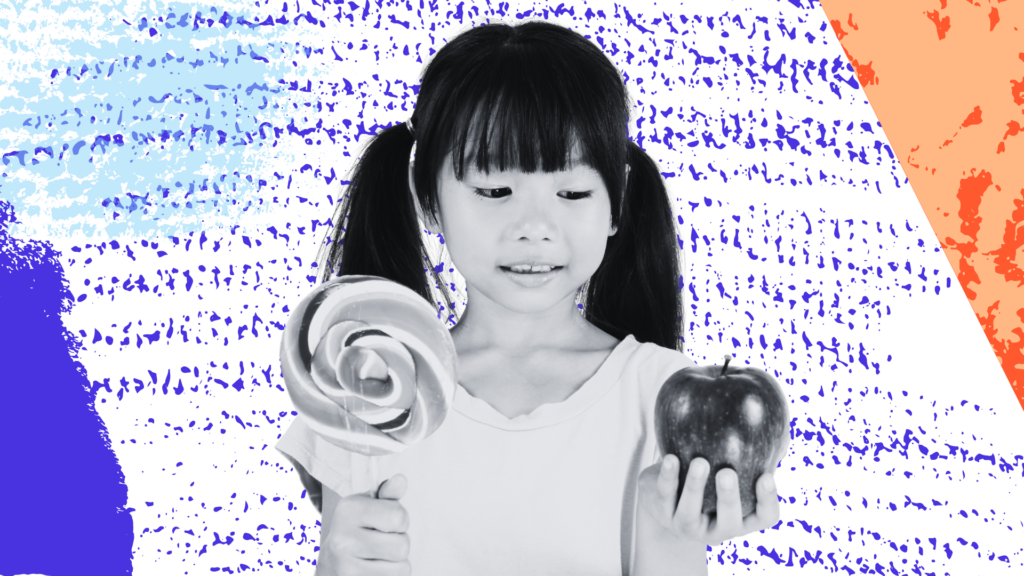
This approach teaches your child why nutrition matters without making every bite a source of pressure. If snacks are a particular struggle in your house, WithAll’s tips for kids who prefer sugary and salty snacks offer practical advice from registered dietitian Dr. Katie Loth.
Healthy Habits Take Practice
Eventually, your child will make more and more food choices without you. School lunches, sports, friends’ houses, restaurants, and college all require independent decisions.
You can prepare them by offering reasonable structure at home while gradually giving them more say. Sometimes they will choose differently than you would. That is part of learning.
Instead of focusing only on what they picked, stay curious. Ask what they liked, whether the meal filled them up, what gave them energy, or what they might add next time. WithAll has additional ideas for helping kids navigate food choices at school as their independence grows.
Pay Attention to How Eating Feels, Too
Good nutrition is important, but a healthy relationship with food matters too. Ideally, your child can eat enough to feel satisfied, enjoy favorite foods and celebrations, recognize hunger and fullness, and approach meals without unnecessary stress.
That will not look the same for every child.
Allergies, celiac disease, diabetes, sensory needs, and other health conditions may require additional structure or restrictions. If that applies to your family, learn more about supporting kids with medically necessary dietary restrictions while protecting a comfortable relationship with food.
Aim for Healthy Habits, Not Perfect Eating
The goal is not to raise a child who makes the choice you would make every time. It is to help them become an adult who understands nutrition, can care for their body, enjoys food, and feels confident making choices without constant supervision.
That’s really what these principles come back to: letting food be fuel and fun, keeping the focus on health rather than appearance or size, and giving kids room to build their own relationship with food instead of managing it for them. Some days will be more balanced than others, and that’s fine: it’s not about getting every meal “right.” Keep offering variety, sharing useful information, and giving your child opportunities to practice. Healthy habits, and a healthy sense of self, develop over time.
Want to sort useful nutrition guidance from all the diet advice families hear? Download WithAll’s free The Truth About Diets guide for expert-backed information about dieting, health, and how to help kids develop a healthier relationship with food.

Related Articles