
Blog Archive
Posts for Parents
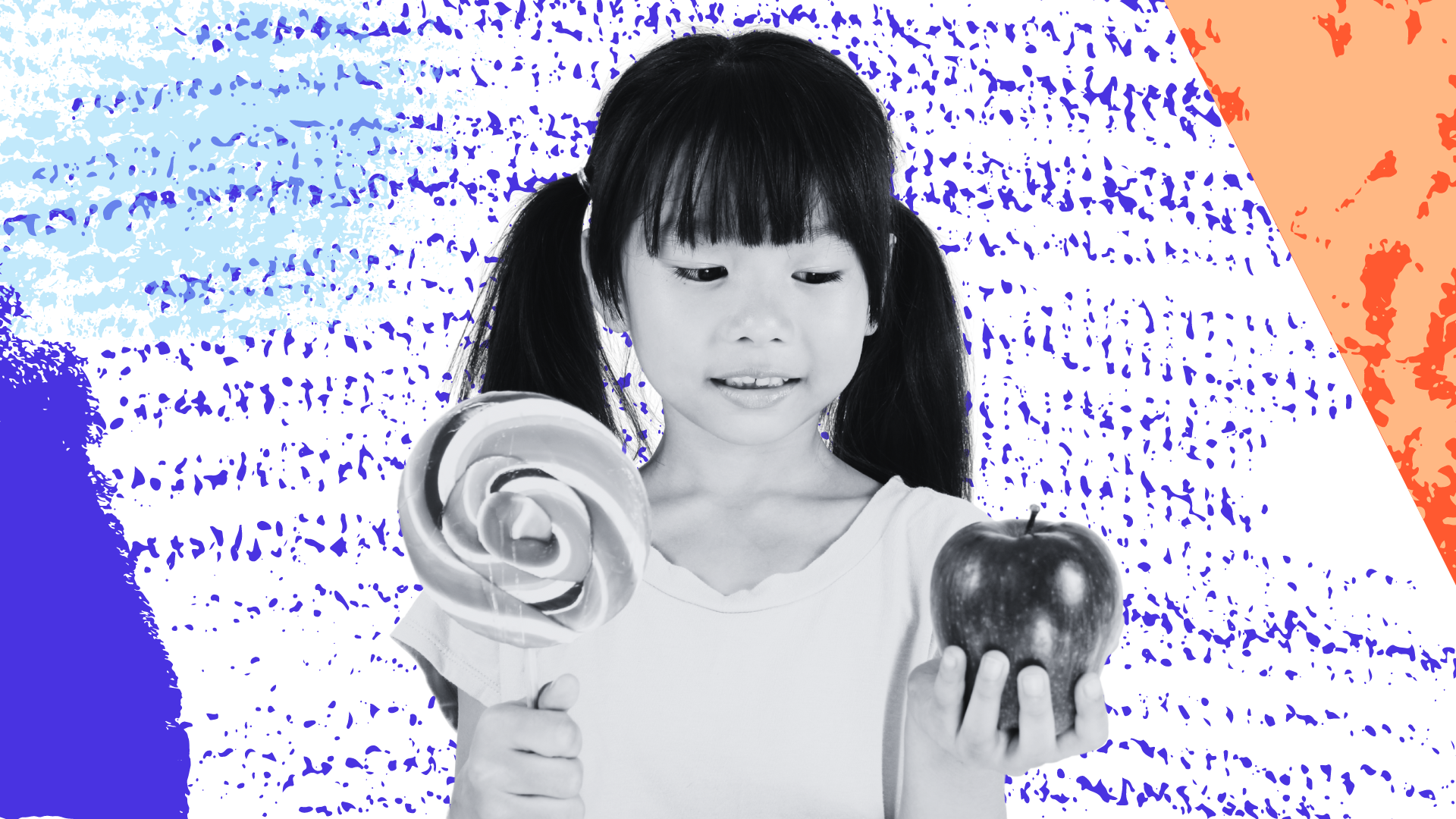
Parents can help kids learn about nutrition without adding pressure or tying food choices to appearance. The key is framing food around what it does for the body—energy, growth, concentration, overall health—while still leaving room for kids to enjoy eating and notice how different foods make them feel. Over time, that approach builds habits they'll…

Wanting your child to be healthy is reasonable. But teaching them to monitor their weight is not necessary to support that goal. Weight can be one piece of medical information, but it does not tell the whole story of a child’s health. At home, focusing on habits, well-being, and how your child feels can support…
Being thoughtful about weight, dieting, and body talk around your child is not being too sensitive, and it does not teach your child to be fragile. These messages can shape how kids think about food, health, and their bodies, while eating disorders can have serious and even deadly consequences.

What does healthy mean for kids? It means supporting their physical and emotional well-being without steering them toward a particular weight, size, or appearance. Parents can focus on offering a variety of foods, making movement enjoyable, encouraging body respect, and helping children learn to trust themselves.

How can you help your child follow medically necessary dietary restrictions without creating fear or stress around food? Treat the restrictions as a normal part of caring for their health, explain them in clear and neutral language, and keep food rules limited to what their condition actually requires.
Helping kids make healthy food choices at school can feel tricky. How do you support them without adding pressure, guilt, or strict food rules?
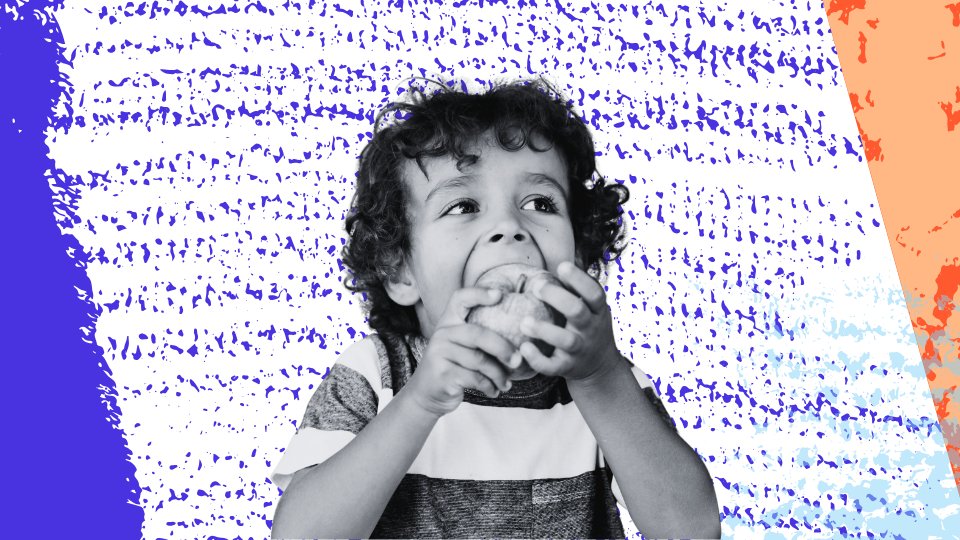
How do you encourage your kids to learn to have a healthy relationship with food & their bodies? That's what Dr Katie Loth discusses in today's video.
Boys can struggle with body image even when they do not talk about it openly. As a parent, you can help by watching for changes in eating or exercise, listening without judgment, and avoiding comments that place value on body size or muscularity. If these concerns cause distress or begin interfering with daily life, reach…

If your daughter makes negative comments about their body, begin by listening without criticizing or rushing to correct them. Avoid making appearance the focus, praise qualities unrelated to looks, discuss what their body allows them to do, and help them create a healthier social media feed. Small, ongoing conversations can help girls develop a more…

Diet culture runs deep. We’ve all absorbed messages about “good” and “bad” foods, ideal body types, and how our worth is tied to our appearance. These messages show up in schools, media, locker rooms, dinner tables—and most of all, in our thoughts.

Most of us were never taught how to have a healthy relationship with our bodies. So figuring out how to teach kids to love their bodies, especially on the days when you're not loving your own, can feel really hard.
If you’ve decided to stop diet and weight talk in your home, you may start noticing something uncomfortable. Other adults your child loves and looks up to may not know how powerful their words about food, bodies, and exercise can be.