Kids Who Love Food: What Every Parent Needs to Know
Published February 13, 2026 | Last Updated April 9, 2026
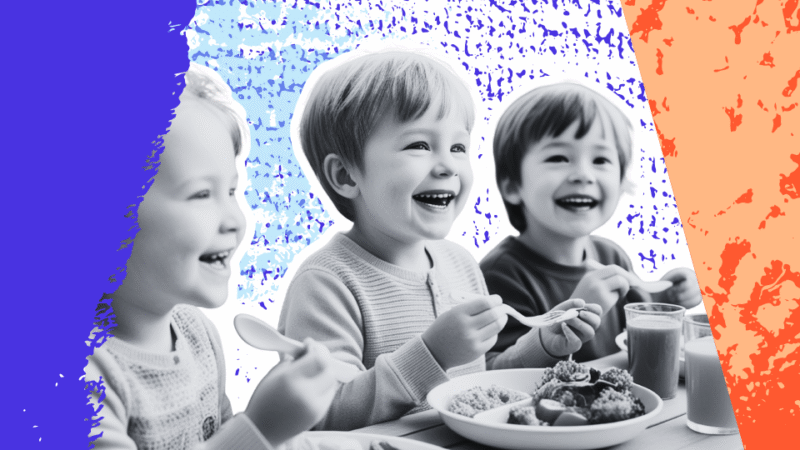
If your child seems hungry all. of. the. time., it can feel unsettling and, let’s be honest, annoying. They ask for more food soon after a meal. Or they seem to get more excited about food than other kids. Or when food is around at family gatherings or parties, they would rather be with the food than playing.
For most of us parents, who were raised in and are surrounded by a culture that fears “fat,” with messages pushing dieting and thinness and “clean, simplified eating,” our child’s big appetite and love of food can trigger an internal spiral of: Why can’t they stop? Why can’t they focus on what other kids are focused on? They can’t possibly be hungry right now, and they’re still eating! Is this normal? Should I be concerned? Am I supposed to step in somehow?
This article is here to offer clarity and relief. We’ll talk about what it really means when a child loves food, why this is normal and healthy (you read that right – normal and healthy), and how we adults respond to the child’s hunger or food love can either be supportive or unintentionally harmful, short- and long-term.
When Hunger Looks Different From What We Expect
Biologically, kids experience hunger and food in different ways. Some feel hunger much more intensely and frequently. Some are especially attuned to the pleasure of eating. Others need more food to feel full, particularly during periods of rapid growth or high activity.
This is all healthy and normal. They don’t signal a lack of discipline, poor parenting, or something that needs to be corrected.
In a culture that tends to treat appetite as something to manage or control, it’s easy to worry if we see this showing up for kids we love. But for many kids, loving food is simply part of their natural, biological wiring.

Why Pressure and Shame Miss the Mark
Most parents respond to a child’s big appetite from a place of care. We want our kids to be healthy and protected from harm. We want to know we are doing everything we can to set them up well, now and long-term.
The trouble is that kids, especially highly attuned kids, can sense when we’re worried about their behavior. And because kids are already living in our “diet culture,” they’re already aware, on some level, of the “should vs. should not” around food.
We can’t always stop our worries or concerns, but we can take steps to move ourselves and our thinking around these issues in a positive direction. And we can absolutely make choices about what we say and/or do.
Research shows that experiences of “weight stigma,” including judgment related to a child’s appetite or eating, are linked to poorer mental and physical health, lower self-esteem, and increased stress, short- and long-term.
When a young person feels judgment about a big appetite or love of food, the following will start to show up:
- Second-guessing whether they’re “allowed” to be hungry
- Embarrassment or defensiveness around eating
- Rushing through meals or eating when adults aren’t around
- Less trust in their own hunger and fullness signals
These are signs that food has started to feel emotionally charged. These are signs that a child is beginning to believe they cannot trust themselves or their body.
When kids begin to feel that wanting food is a problem, they often disconnect from their bodies instead of learning to listen to them. That disconnect makes self-trust and body appreciation harder to build, which is the opposite of what most parents are trying to support.
Many of us grew up surrounded by food rules and diet culture messages that framed eating as something to earn, limit, or feel guilty about. For us adults, unlearning those patterns is part of creating healthier environments for kids today.
WithAll’s 3 Simple Shifts are designed to help adults change the conversation and help kids feel good in their bodies and with food.
The Fear Beneath the Concern
Often, worry about a child’s appetite is really worry about what might happen later. Parents may fear weight gain, health problems, or a loss of control if they don’t intervene now. We fear our child will be what we’ve feared for ourselves since we were kids: not belonging, being “other,” being teased, etc.
Diet culture plays a big role in fueling these fears by telling us that hunger is dangerous and control is protective. But food restriction and shame about our appetites don’t prevent those outcomes. In fact, they tend to increase stress around eating and make food feel more powerful, not less.
If you’re trying to sort through those messages, The Truth About Diets guide offers helpful context for understanding why restriction so often backfires, especially for kids.
What Matters Most Right Now
You don’t need to fix your child’s appetite.
What matters most is the environment kids grow up in — one where hunger isn’t treated as a flaw, food isn’t connected with judgment or guilt, and kids learn to feel positive and safe by paying attention to their bodies.
If this article raised questions, that’s a good sign. Curiosity is where change begins. Small, thoughtful shifts in how we think and talk about food can have a lasting impact over time for our kids and ourselves.
You’re paying attention. And that matters more than you think.
For ongoing support, sign up for our free monthly tips and get simple, practical guidance for real-life moments, without judgment or food rules.

Related Articles