What to Say Program
Words shape how kids feel about food and bodies.
What to Say is an eating disorder prevention program giving parents, coaches, healthcare providers, and other caring adults simple tools to help kids feel good in their bodies and with food.
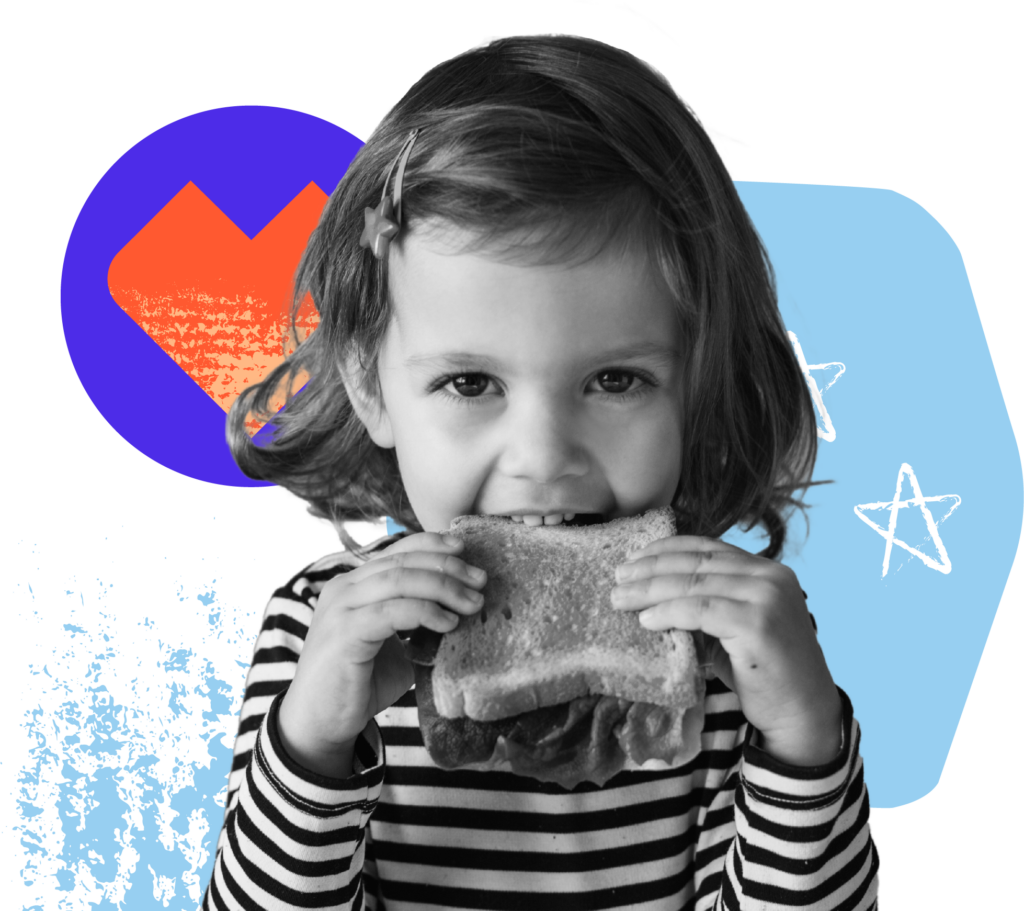
Body image issues begin in childhood.
Most of us grew up in a world where dieting was normal, bodies were judged, and food came with guilt. Kids today are growing up in that same world. And it’s taking a toll.
Harm often comes from the best intentions. Body and food comments that seem positive or harmless slowly shape how young people see their bodies and food — and the damage adds up. And it sticks.
The good news? You can help change that, and it starts with what you say.
What is What to Say
Prevention Starts With You
What to Say gives adult role models simple, practical tools to reframe what most of us were taught— shifting us instead to words that actually help young people develop a healthy relationship with their body and food.
These eating disorder prevention tools were each built with a priority on effectiveness, helpfulness, and simplicity—for even the busiest adults. Backed by experts, the resources include guides, courses, and articles.
With What to Say, you can:
- Talk about food while avoiding stress or shame — giving young people a health-first lens for making good choices;
- Respond to body comments in a supportive way that prioritizes physical and mental wellbeing; and
- Create environments where young people feel safe, with the agency to care for their body now and into the future
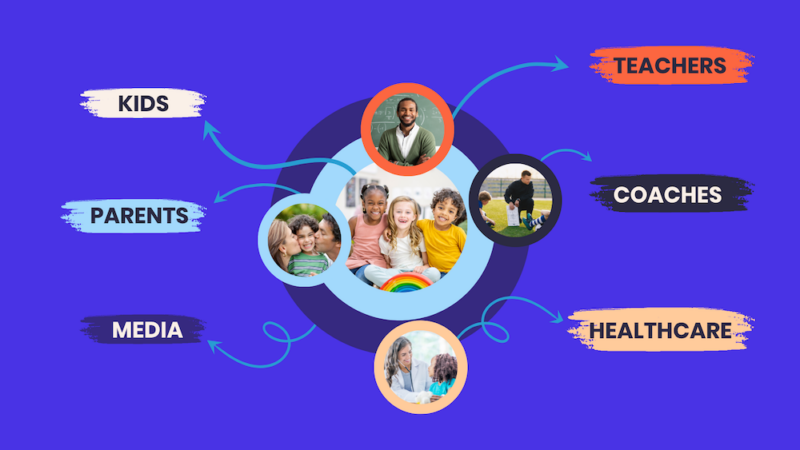
Kids' Circle of Influence
Quick Start
3 Simple Shifts
Begin today with small, practical changes in the way you talk about food, bodies, and health.
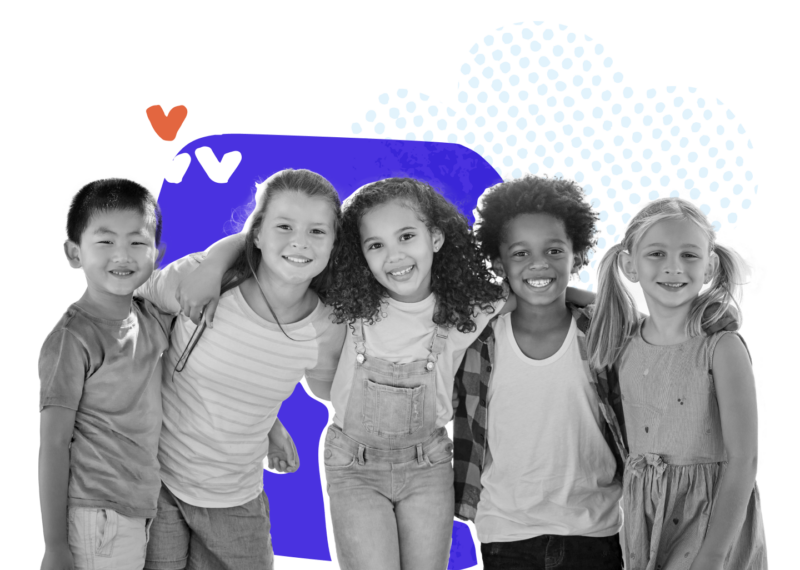
1. Treat All Kids, in All Bodies, the Same
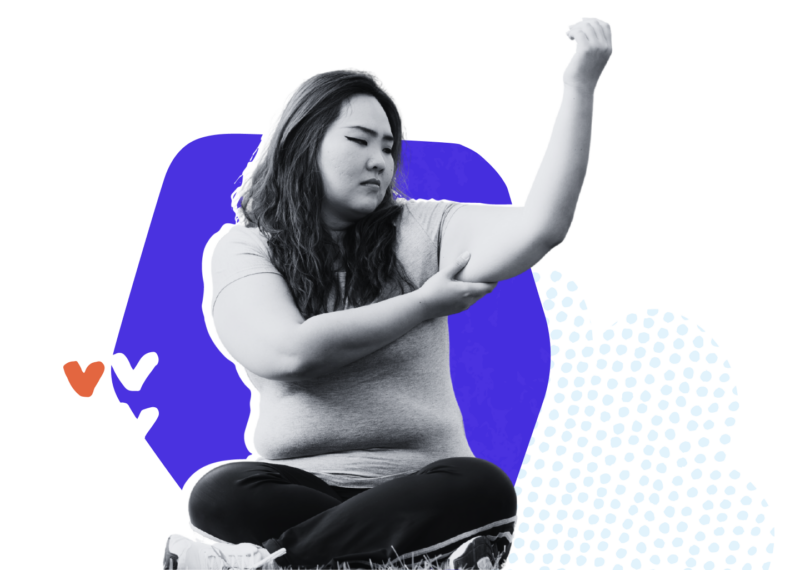
2. Eliminate Body Comments from Your Vocabulary
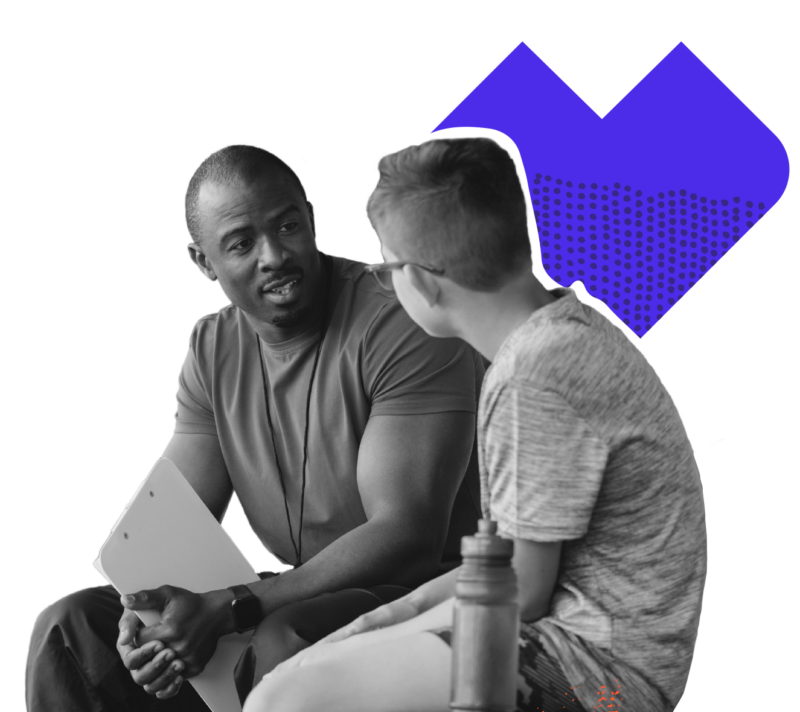
3. Stop Linking Food and Exercise to Appearance
Learn the basics in less than 30 minutes.
Our free mini-course walks you through the 3 Simple Shifts with a short video and downloadable guide. It's the best place to start.
What to Say Programs
Select Your Role
You don’t have to figure this out on your own. What to Say meets you where you are, whether you’re raising kids, coaching young athletes, seeing patients, or simply someone a kid looks up to. Pick the role that’s right for you.
Help Us Create a Cultural Shift
WithAll’s What to Say offers adults an alternative, a peaceful way of relating to body and food with health as the priority. Through awareness campaigns and actionable resources, we help adults confidently pass this on to young people.
Know someone who could use What to Say?
Share this page with a parent, coach, healthcare provider, or other caring adult in your life.
Our Impact
-
 "This was an incredibly helpful resource. I’ve encouraged all providers at my practice to take the course. I hope we can shift our approach—starting by no longer focusing conversations around patients’ weights during routine physicals. It’s a small but important step toward changing the culture around growing bodies in pediatrics.”What to Say Healthcare Participant
 -
 "Each week, your webinar gives me more than guidance on what to say—it helps me understand how to change deep-rooted patterns of low self-worth and body image. It also makes me feel less alone, having a community that tries to wrap their heads around these issues means a lot to me, too."What to Say For Me Participant
 -
 "WithAll's What to Say resources have helped me lay important groundwork for my kids to build and maintain healthy relationships with their bodies and food. I have become so aware of how people in our family and circle of friends talk about their own bodies in front of my children. I'm much more likely to chime in with points I have learned from WithAll. I'm trying to create a healthy space for my kids to develop and learn about their bodies, food, and the world they are in."What to Say Coaches Participant
Join the Community
Join our email community to get valuable What to Say tips, hear inspiring stories of impact, and receive our best resources to help young people live happy and healthy.
Stay Connected
Join us on social for practical tips to support your child's positive relationship with food and body.