
What to Say Parents
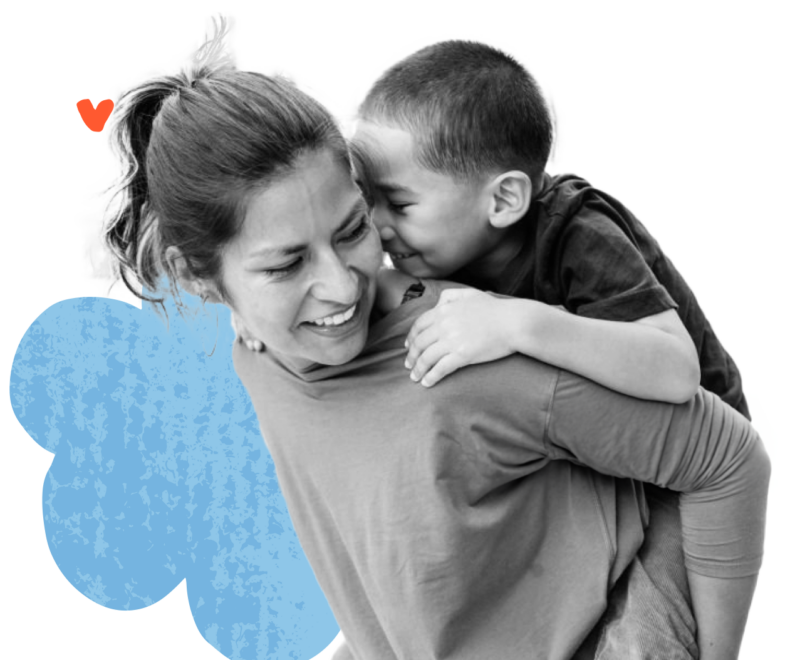
Help kids feel good in their bodies and at ease with food.
1 in 2 girls and 1 in 3 boys ages 9 to 14 already want to be thinner. The comments we make about food and bodies, even small offhand ones, shape how kids see themselves for years.
Get free, expert-backed scripts and tools so you always know what to say (and what to skip).
Start Here
3 Simple Shifts
You don't need to overhaul everything. These 3 shifts in what you say — and what you stop saying — make a real difference for kids.

1. Treat All Kids, in All Bodies, the Same

2. Eliminate Body Comments from Your Vocabulary

3. Stop Linking Food and Exercise to Appearance
Learn the basics in less than 30 minutes.
Our free mini-course walks you through the 3 Simple Shifts with a short video and downloadable guide. It's the best place to start.

Be a part of the cultural shift.
Most of us grew up with diet culture, harmful body ideals, and confusing messages about food. We don’t want to pass that on to our kids.
WithAll’s What to Say program gives parents and caring adults a different framework — one where health and well-being come first, and kids grow up feeling good in their bodies and with food.
Tip of the Month
Join the Community
Thousands of parents and caregivers are choosing to change the conversation around food and bodies.
Get one free email every month with:
✓ What to Say scripts for real-life moments
✓ First access to new guides and resources
✓ Exclusive tips not shared anywhere else
✓ Seasonal guidance for holidays, back to school, sports season
Tools for Parents
Free guides and quick references for parents and caregivers to learn what to say (and what to avoid).

What to Say Instead
7 Guiding Principles

A Parent's Guide to Social Media

When Kids Talk About Bodies
Families Making the Shift
-
 "My 15-year-old granddaughter has anorexia. I joined the What to Say community to gain more insight and have ideas to help her. I have struggled with disordered eating my whole life and tried not to pass on my thoughts on eating. What you have done for me is give examples of what to say in place of what not to say. Thank you."— GrandmotherWhat to Say Tip of the Month Subscriber
 -
"What to Say opened up new channels of communication with my 15 year old twin daughters. Together, we scrapped some old ideas about food and adopted better ways of thinking and talking about it. I truly appreciate the opportunity to learn through what WithAll created for my family!"— KatherineWhat to Say Mom in Vermont
-
"My daughter is 13 and active. I worry about the potential for her to develop disordered eating. Since participating with What to Say, I have changed my parenting focus to providing her with healthy options through meal planning and cooking together. I never talk about quantity of food or her choice of food unless she isn't get enough variety, such as not enough protein. I do mention that healthy foods are good for her mental health, which seems to resonate. It's amazing to realize that we do not need to participate in diet culture. We just eat!”— MotherWhat to Say Parent
-
“Each week, your What to Say for Me course gives me more than guidance on what to say—it helps me understand how to change deep-rooted patterns of low self-worth and body image. It also makes me feel less alone, having a community that tries to wrap their heads around these issues means a lot to me, too.”— MotherWhat to Say for Me Participant
-
"I love sharing the What to Say mission and resources with others. It's so comforting to know there is an organization out there doing this important, necessary work and giving us all actionable ways to participate. I wish more people could be exposed to this message so that we can see a paradigm shift away from toxic diet culture and weight obsession."— WendyWhat to Say Mom in North Carolina
-
"Thank you so much for the work you are doing. This is vital information that is making a difference in how I parent and coach. I sure wish the adults in my life had this resource when I was a young athlete. With your help, that cycle stops here!"— KristyWhat to Say Parent & Coach in Ontario
WithAll Works in Partnership With
Helpful Reads for Parents & Caregivers



Get the Tip of the Month
One practical What to Say tip delivered to your inbox every month — no fluff, no pressure.
Stay Connected
Join us on social for practical tips to support your child's positive relationship with food and body.

Partners
Funding for this program wouldn’t be possible without our amazing sponsors.








Support What to Say Parents
Every child deserves peace with their body and food.
Your support puts free, practical tools in the hands of caring adults who want kids to feel good in their bodies and with food. Let’s empower parents with tools that change conversations—and lives.
100% funded by individuals, families, and businesses.