How to Use the 2026 Winter Olympics to Inspire Healthy Habits in Kids
Published July 23, 2024 | Last Updated April 9, 2026
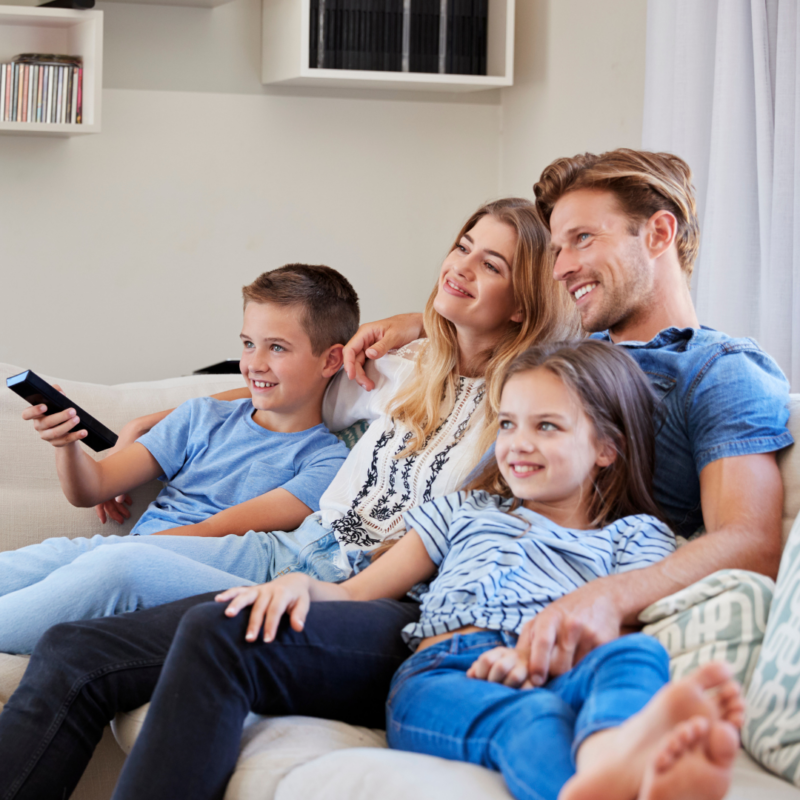
The 2026 Winter Olympics are here, and for many families, the Games will be playing in the background, either during breakfast, after school, or while everyone winds down together at night.
If you’re watching with kids, you might already be hearing things like:
- “Why do they all look so different?”
- “That athlete looks really strong.”
- “I could never do that.”
The Olympics put bodies and performance front and center. Kids notice who’s fast, who’s powerful, who falls, who wins. They start forming ideas about what all of that means.
That’s why this moment matters. With a few simple shifts, watching the 2026 Winter Olympics together can help kids learn that health doesn’t have one look, bodies are tools for living, and movement can be about joy, strength, and connection, not appearance.
Below are practical ways to watch the Games with your kids, respond when body-related comments come up, and use what you’re seeing on screen to support healthier conversations that last well beyond the closing ceremony.
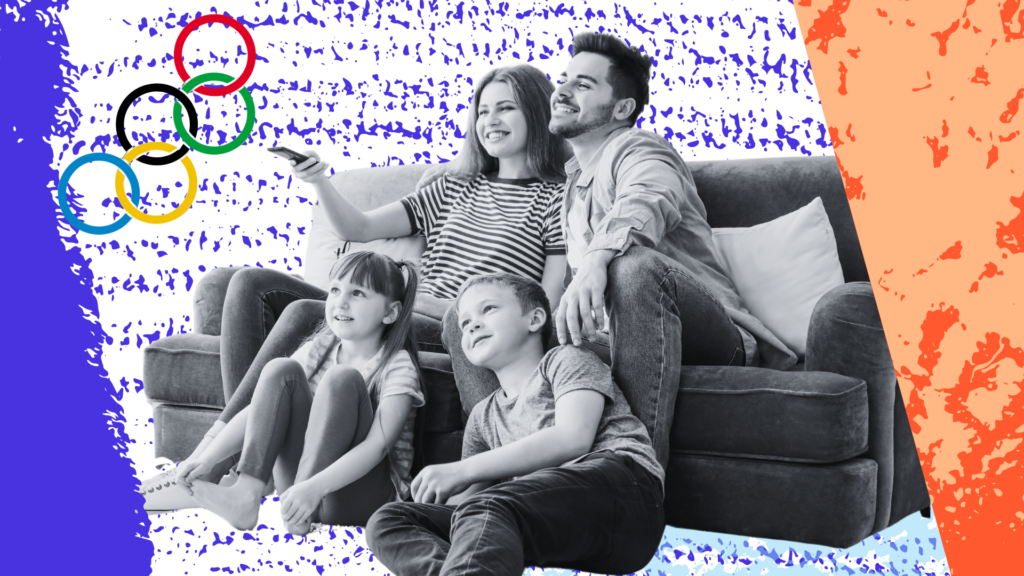
Watch the Games Together and Let Kids Be Part of It
Watching the Olympics together isn’t about understanding every rule or following every event. It’s about being present.
When kids feel included, they’re more likely to stay curious, ask questions, and connect what they see on screen to their own lives.
Try this to get your kids involved:
- Let your kids help choose which events to watch
- Ask what they notice about the sport itself: speed, balance, teamwork, endurance
- Make it feel like a shared ritual, not a lesson
If food is part of watching (and it often is), inviting kids into the planning can be a simple way to connect, without pressure or rules.
Here are some ideas for hosting an Olympics party with your kids:
- Fruit skewers with yogurt dip: Channel the spirit of the rings with rainbow-colored fruit kebabs
- Mini “torches”: Pretzel sticks with a dollop of hummus for a protein and fiber combo
- “Victory lap” veggie sticks: Celebrate the colors of the Games with a variety of colorful veggies and a light dip
- DIY “podium” trail mix: Let your kids create their own trail mix with nuts, seeds, dried fruit, and whole-grain cereal for a satisfying mix of crunch and sweetness
When kids help choose, prepare, and serve food, it builds confidence and a sense of ownership. It also reinforces an important message: food helps us think, move, and enjoy time together — not earn, burn, or change our bodies.
Shift the Focus From Appearance to What Bodies Can Do
The Olympics naturally invite comparison, and kids pick up on it quickly. You might hear adults commenting on athletes’ size, shape, or strength.
This is often how diet culture shows up during major sporting events, even when people mean well. Diet culture is the idea that some bodies are “better” than others; healthier, stronger, more worthy of praise.
While watching, you can gently shift the conversation by asking:
- “What do you think helps them do that sport so well?”
- “What do you notice about how they move?”
- “Isn’t it interesting how many different kinds of bodies are competing?”
These kinds of questions help kids learn that:
- Athletic success doesn’t have one look
- Bodies don’t predict talent
- Health is about what bodies can do, not how they appear
Want more tips on how to help kids feel good in their bodies and with food? Sign up for Tip of the Month for free, practical guidance delivered right to your inbox every month.
Use Winter Olympians to Show There’s No One “Athletic Body”
One of the best things about the Winter Olympics is how clearly it shows that different sports need different strengths.
As you watch, your kids might see:
- Endurance and power in cross-country skiing with athletes like Jessie Diggins (WithAll Ambassador)
- Precision, balance, and strength in alpine skiing with Mikaela Shiffrin
- Agility and artistry in figure skating with Ilia Malinin
- Explosive speed and focus in speed skating with Erin Jackson
What’s easy to miss is that none of these athletes succeed because of how they look. They succeed because of years of practice, care for their bodies and minds, and the ability to keep going through setbacks.
That’s a powerful message for kids — whether they love sports or not.
When Body Comments Come Up (Because They Will)
At some point, a body-based comment will probably come up from a family member, from your child, or even from you. Most of us grew up hearing the same kinds of comments.
What matters is how you respond next.
If your child comments on an athlete’s body, you might say:
- “Bodies don’t tell us how strong or skilled someone is.”
- “We actually can’t know much just by looking.”
- “Athletes succeed in lots of different ways.”
You don’t need to correct or lecture. Calm, curious responses help kids rethink what they’re noticing without shame or shutdown.
Moments like these can feel tricky. If you want more support, our When Kids Talk About Bodies guide shares gentle, practical ways to respond when body comments come up.
Why These Conversations Matter Beyond the Olympics
The messages kids absorb while watching the Olympics don’t stay on the couch.
They show up later:
- At recess
- In school sports or activities
- On social media
- In how kids talk about their own bodies
The American Academy of Pediatrics has shared that focusing on weight or appearance doesn’t support kids’ health. What does help is encouraging enjoyable movement, emotional well-being, and respect for body diversity.
When kids learn early that bodies are tools for living — not problems to fix — they’re more likely to trust and care for themselves over time.
A Final Thought as You Watch the 2026 Winter Olympics
You won’t catch every comment. You’ll think of a better response after the moment has passed. That’s part of parenting.
What matters is that you’re paying attention, and that alone already makes a difference.
Even one conversation during the 2026 Winter Olympics can help a child see bodies, movement, and health in a more supportive way, long after the medals are handed out.
Small shifts in what you say can make a big difference. Get our free 3 Simple Shifts guide and learn What to Say to help kids feel good in their bodies and with food.

Related Articles