
Blog Archive
Posts tagged with Body Image
Envision a lively 11-year-old, healthy and full of joy. So many friends, so engaged in the classroom, a naturally skilled athlete. She enjoys a well-rounded diet, and, like most kids her age, enjoys sweets. She’s stronger, and fuller than many of her peers, a result of earlier puberty, and an asset for sports.

It can feel uncertain when your child tells you someone called them “fat.” Before rushing in to fix it, take a breath. This is your chance to help your child build confidence, resilience, and a healthy relationship with their body.

GLP-1 medications — the category that includes Ozempic, Wegovy, and Zepbound — were originally developed to treat type 2 diabetes. They’re now widely marketed for weight loss. And if you’ve noticed the ads, so have your kids. Here’s what WithAll’s Executive Director thinks parents need to know.

If you're someone who builds, leads, teaches, parents, coaches—or just cares about the next generation—you already have influence. You set the tone in rooms. You shape conversations. You make decisions that affect what kids hear, see, and learn about food and bodies. That influence matters more than you may realize.

Kids notice everything: who gets seconds, who “needs” more exercise, whose lunch is commented on, whose isn’t. Even when you’re trying to help, it’s easy for one child to feel like the child with “the problem.”
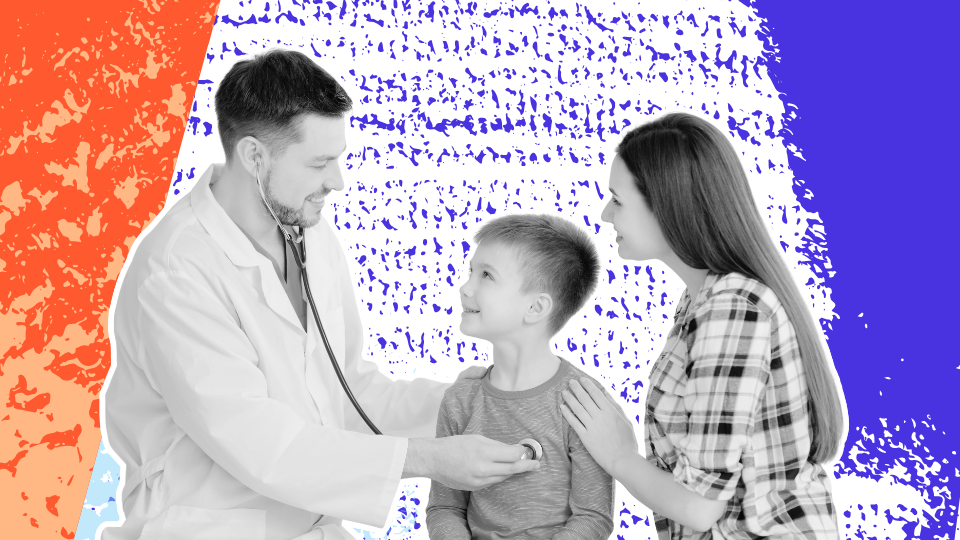
It can feel unsettling when a doctor tells you your child needs to lose or gain weight. You want to trust your provider. You also want to protect your child’s physical and mental health. And in a culture that constantly focuses on weight, it can be hard to know what the right next step is.

If you’ve ever paused before speaking to a child and wondered, "Is this the right thing to say?", you’re not alone. Kids are always listening. Not just to what we say to them, but to what we say about food, bodies, and ourselves. Those everyday comments at the table, in the car, or during the…

Hey, Coach, your influence matters! You have a powerful role in shaping how athletes think about their bodies, their health, and their performance. The What to Say Coach’s Guide offers simple ways to prevent eating disorders and promote both mental and physical well-being.

Comments about weight show up in everyday life more often than we realize. They slip into compliments, jokes, health conversations, and even the way adults talk about their own bodies. Most of the time, these comments are unintentional, shaped by the language many of us grew up hearing. For kids, though, these moments matter.

Worried about how a young athlete feels about food and their body? You're not alone. Athletes hear constant messages about food, body, and performance, and these influences can shape how they see themselves.

Wanting your child to be healthy is reasonable. But teaching them to monitor their weight is not necessary to support that goal. Weight can be one piece of medical information, but it does not tell the whole story of a child’s health. At home, focusing on habits, well-being, and how your child feels can support…

Being thoughtful about weight, dieting, and body talk around your child is not being too sensitive, and it does not teach your child to be fragile. These messages can shape how kids think about food, health, and their bodies, while eating disorders can have serious and even deadly consequences.