
Blog Archive
Posts tagged with Body Image
When it comes to youth sports, it’s easy to believe that better performance comes from pushing harder, training longer, or being more disciplined. But athletes who compete at the highest levels know something important: health is not separate from performance. It’s the foundation of it.
What should you do when your child starts comparing their body to others—especially at places like the pool? In this 90-second video, psychologist and WithAll Expert Advisory Panel member Dr. Charlotte Markey shares practical ways to guide kids through those moments with compassion and clarity.

It can feel uncertain when your child tells you someone called them “fat.” Before rushing in to fix it, take a breath. This is your chance to help your child build confidence, resilience, and a healthy relationship with their body.

It can feel unsettling when a doctor tells you your child needs to lose or gain weight. You want to trust your provider. You also want to protect your child’s physical and mental health. And in a culture that constantly focuses on weight, it can be hard to know what the right next step is.

Navigating body changes in puberty can feel confusing for both kids and parents.
Worried about how a young athlete feels about food and their body? You're not alone. Athletes hear constant messages about food, body, and performance, and these influences can shape how they see themselves.
Hey, Coach, your influence matters! You have a powerful role in shaping how athletes think about their bodies, their health, and their performance. The What to Say Coach’s Guide offers simple ways to prevent eating disorders and promote both mental and physical well-being.

If you're someone who builds, leads, teaches, parents, coaches—or just cares about the next generation—you already have influence. You set the tone in rooms. You shape conversations. You make decisions that affect what kids hear, see, and learn about food and bodies. That influence matters more than you may realize.

When kids or adults ask, “Is being fat a bad thing?” they’re not just asking about a word—they’re asking about identity, respect, and how we talk about bodies. In a world full of confusing messages about appearance and health, it’s important to unpack this question with care and clarity.
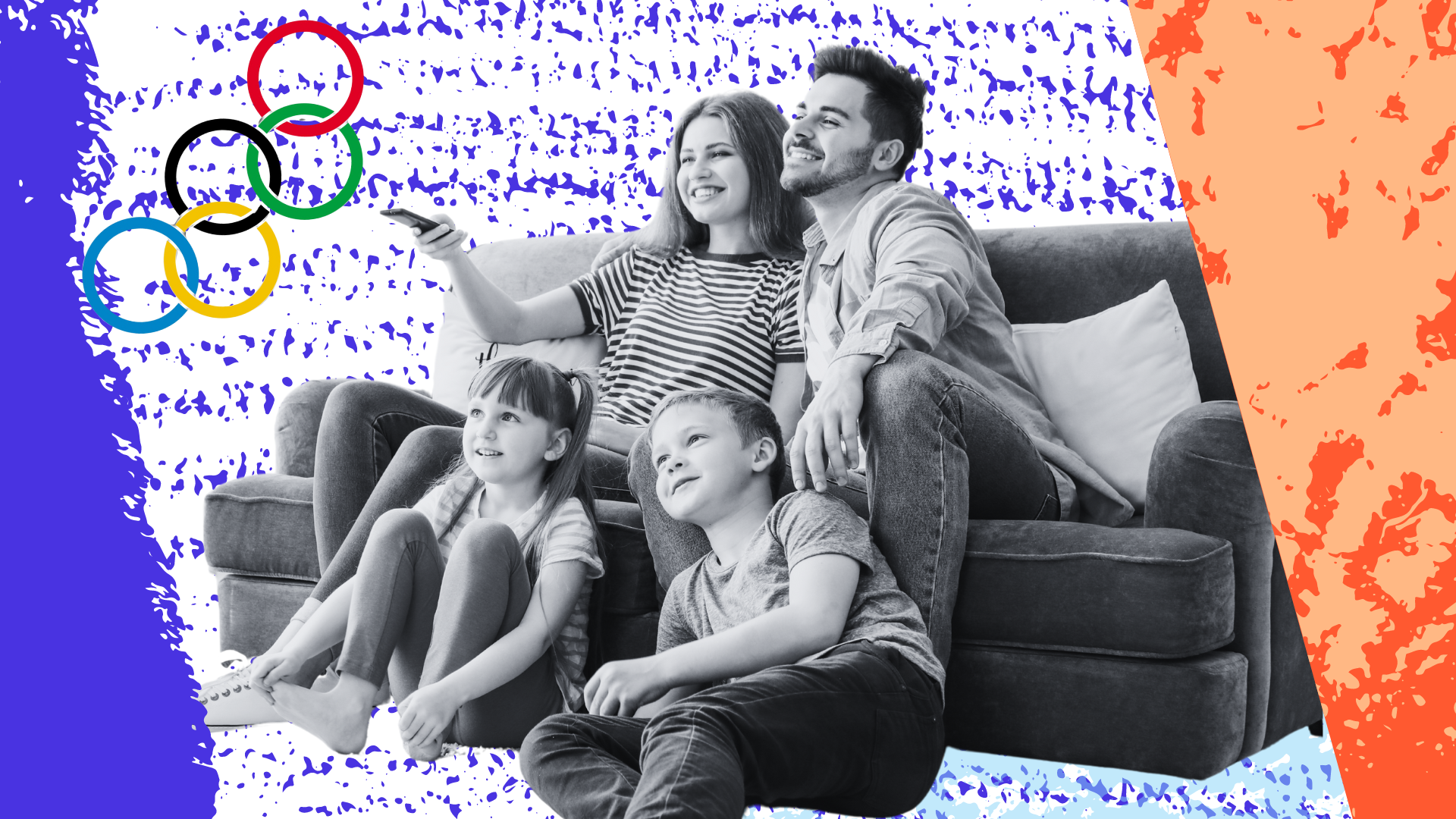
The 2026 Winter Olympics are here, and for many families, the Games will be playing in the background, either during breakfast, after school, or while everyone winds down together at night.

People are not data points. Here is why physical indicators like the Body Mass Index should be decentralized from DSM’s Eating Disorder Criteria
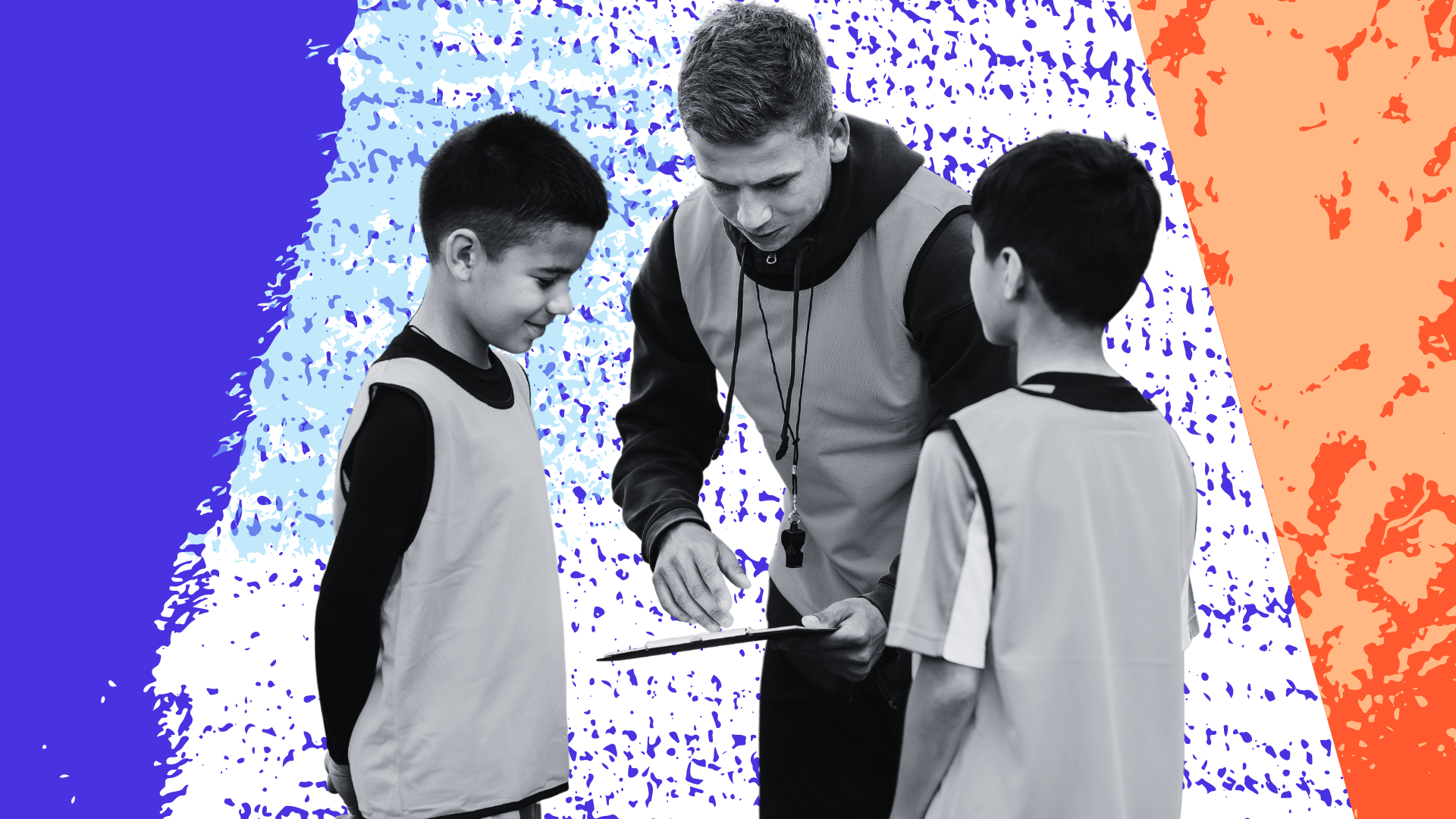
Coaches play a powerful role in shaping young athletes—far beyond performance. The way coaches talk about food, bodies, and training can influence how athletes see themselves, how they eat, and how they care for their bodies for years to come.