
Blog Archive
Posts tagged with Food & Eating

Envision a lively 11-year-old, healthy and full of joy. So many friends, so engaged in the classroom, a naturally skilled athlete. She enjoys a well-rounded diet, and, like most kids her age, enjoys sweets. She’s stronger, and fuller than many of her peers, a result of earlier puberty, and an asset for sports.
Diet culture isn’t new. It’s the water many of us were raised in. It shows up in our social feeds, our gyms, our group texts. It’s woven into doctor visits, health classes, marketing campaigns, and family dinner tables. Most of all, it echoes in our own inner voices—so common and normalized that many of us…

Diet culture runs deep. We’ve all absorbed messages about “good” and “bad” foods, ideal body types, and how our worth is tied to our appearance. These messages show up in schools, media, locker rooms, dinner tables—and most of all, in our thoughts.

If you're someone who builds, leads, teaches, parents, coaches—or just cares about the next generation—you already have influence. You set the tone in rooms. You shape conversations. You make decisions that affect what kids hear, see, and learn about food and bodies. That influence matters more than you may realize.

If your child seems hungry all. of. the. time., it can feel unsettling and, let’s be honest, annoying. They ask for more food soon after a meal. Or they seem to get more excited about food than other kids. Or when food is around at family gatherings or parties, they would rather be with the…
As a mom with little ones running around, I usually realize I'm a bit late to the party when it comes to catching onto what's trendy (although I'm always up to speed on Taylor Swift and Travis Kelce – they pretty much occupy all my spare pop culture time). And when it comes to Gen…

You’re days away from trick-or-treating, but already you’re bracing for the annual Halloween candy chaos.
If you’ve decided to stop diet and weight talk in your home, you may start noticing something uncomfortable. Other adults your child loves and looks up to may not know how powerful their words about food, bodies, and exercise can be.

Kids notice everything: who gets seconds, who “needs” more exercise, whose lunch is commented on, whose isn’t. Even when you’re trying to help, it’s easy for one child to feel like the child with “the problem.”
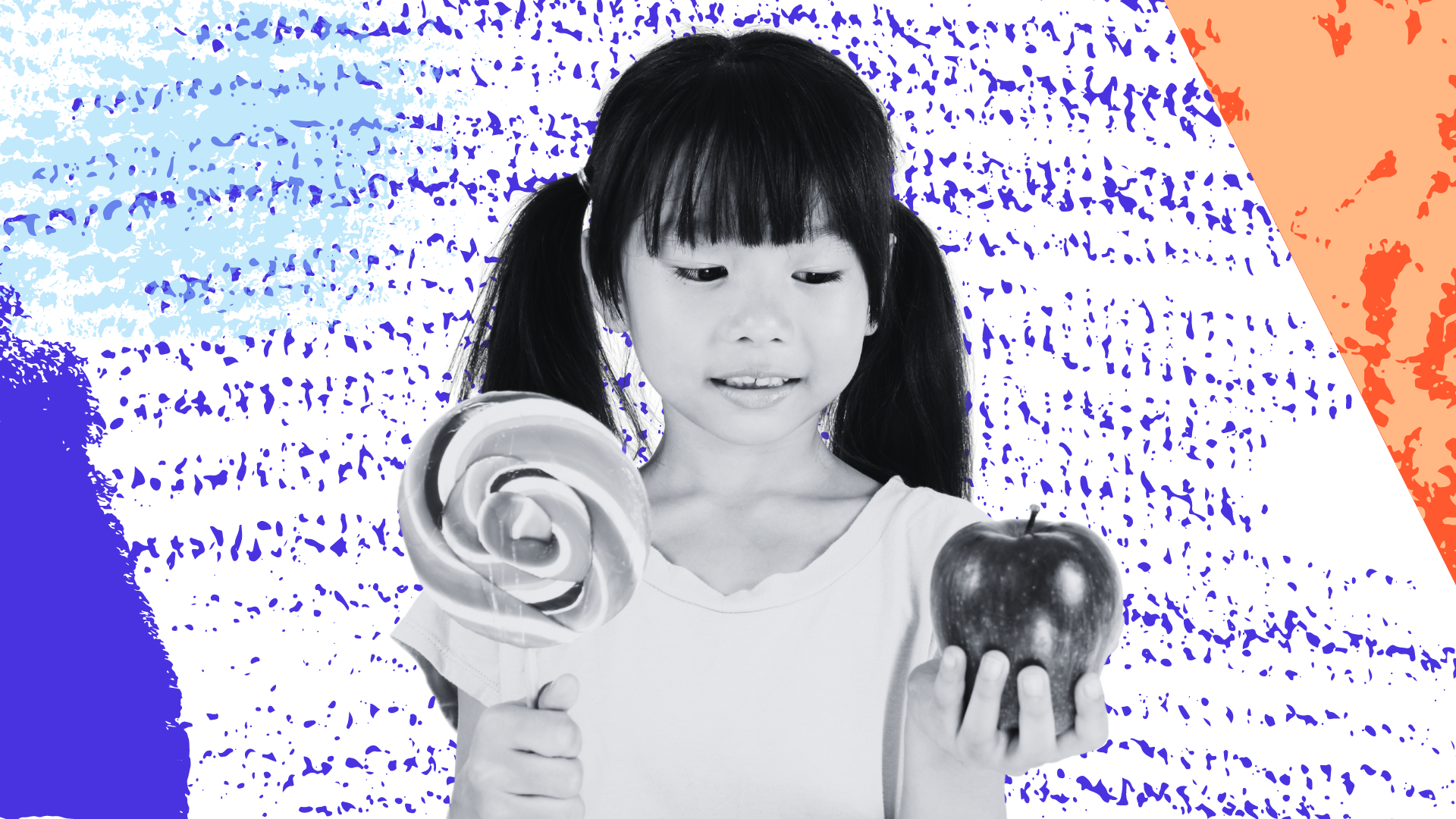
Parents can help kids learn about nutrition without adding pressure or tying food choices to appearance. The key is framing food around what it does for the body—energy, growth, concentration, overall health—while still leaving room for kids to enjoy eating and notice how different foods make them feel. Over time, that approach builds habits they'll…

Worried about how a young athlete feels about food and their body? You're not alone. Athletes hear constant messages about food, body, and performance, and these influences can shape how they see themselves.

Wanting your child to be healthy is reasonable. But teaching them to monitor their weight is not necessary to support that goal. Weight can be one piece of medical information, but it does not tell the whole story of a child’s health. At home, focusing on habits, well-being, and how your child feels can support…