
Recent Articles
Expert-backed tips, recovery stories, and updates from WithAll.
Helping kids make healthy food choices at school can feel tricky. How do you support them without adding pressure, guilt, or strict food rules?
How do you encourage your kids to learn to have a healthy relationship with food & their bodies? That's what Dr Katie Loth discusses in today's video.

Dear WithAll Supporters, Driving big change requires two kinds of people: the ones out front, and the ones behind the scenes making sure the work stays on track. WithAll, and the entire eating disorder field, has been fortunate to have both, in…
Boys can struggle with body image even when they do not talk about it openly. As a parent, you can help by watching for changes in eating or exercise, listening without judgment, and avoiding comments that place value on body size or muscularity. If these concerns cause distress or begin interfering with daily life, reach…

If your daughter makes negative comments about their body, begin by listening without criticizing or rushing to correct them. Avoid making appearance the focus, praise qualities unrelated to looks, discuss what their body allows them to do, and help them create a healthier social media feed. Small, ongoing conversations can help girls develop a more…

Most of us were never taught how to have a healthy relationship with our bodies. So figuring out how to teach kids to love their bodies, especially on the days when you're not loving your own, can feel really hard.
Diet talk is everywhere. It shows up at family gatherings, on social media, in TV shows, and in the tiny comments we make without thinking. It is so common that many adults are not even aware they are doing it.
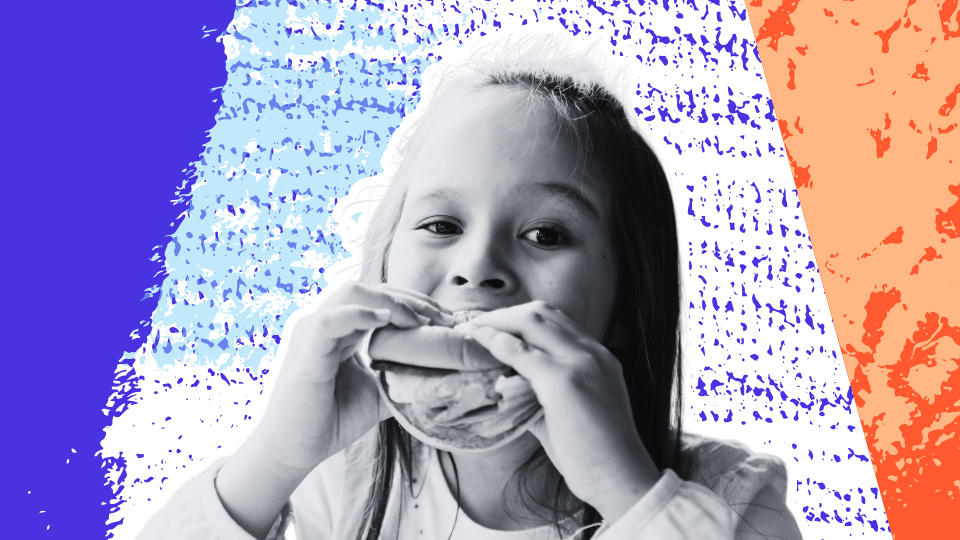
At some point, many parents reach a quiet crossroads around food. You’ve tried to stay relaxed. You don’t want to make eating a “thing.” But when your child keeps asking for more, grazes constantly, or seems unsatisfied no matter what you offer, uncertainty creeps in. Should you tighten the structure? Let it go? Say something…

My name is Elle Jones, I’m 18 and was one of the WithAll 2021 summer interns. Throughout the summer, I worked on a project focused on infusing youth voices into WithAll’s What to Say program. Research shows that what adults say matters, but WithAll wanted to hear from teens like me how it matters and…

We all want our kids to have a healthy relationship with food and their bodies. But in today's world, it can be increasingly difficult to know how to best support children's physical and mental health. As a parent, you have a powerful opportunity to shape the way your children think about and feel in their…
Doctors can be excellent partners in helping kids develop positive body image and food relationships. We partnered with one of the family physicians in our What to Say Network to share the top advice she gives to parents for supporting kids’ health at home. Here’s what she had to say:
How do you support kids in building healthy habits around screens, sleep, movement, and more, without using guilt as a motivator? In this short video, Dr. Kelsey Varzeas, clinician, research scientist, and Certified Mental Performance Consultant, shares practical ways to foster positive routines rooted in structure and care, not shame.